Intercity low-altitude transit
Shenzhen · Greater Bay Area · China
Above Traffic.Among the People.
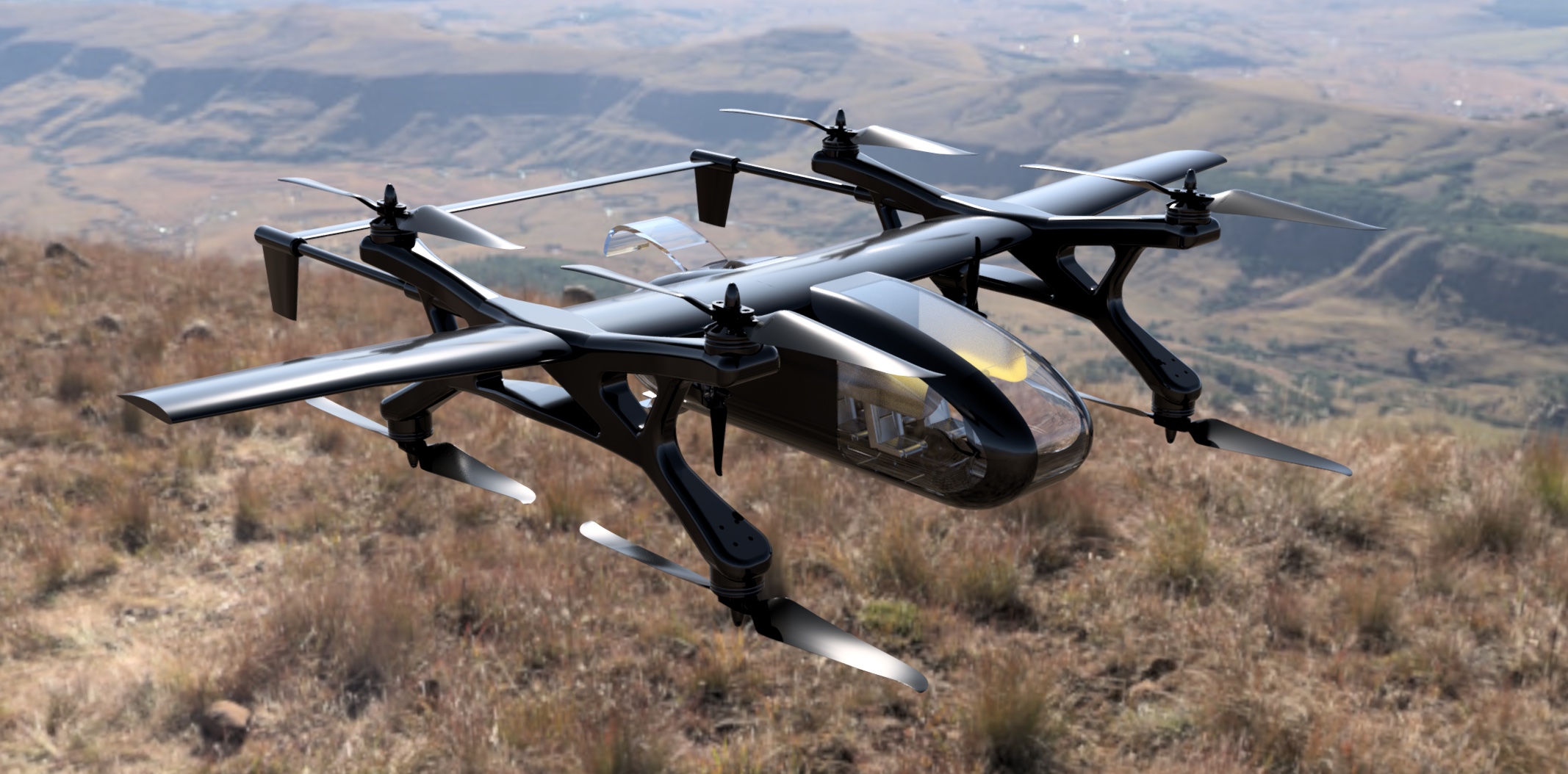
A 12-seat electric air shuttle for the Greater Bay Area — its hardest 40–60 km, cut from three hours to forty minutes.
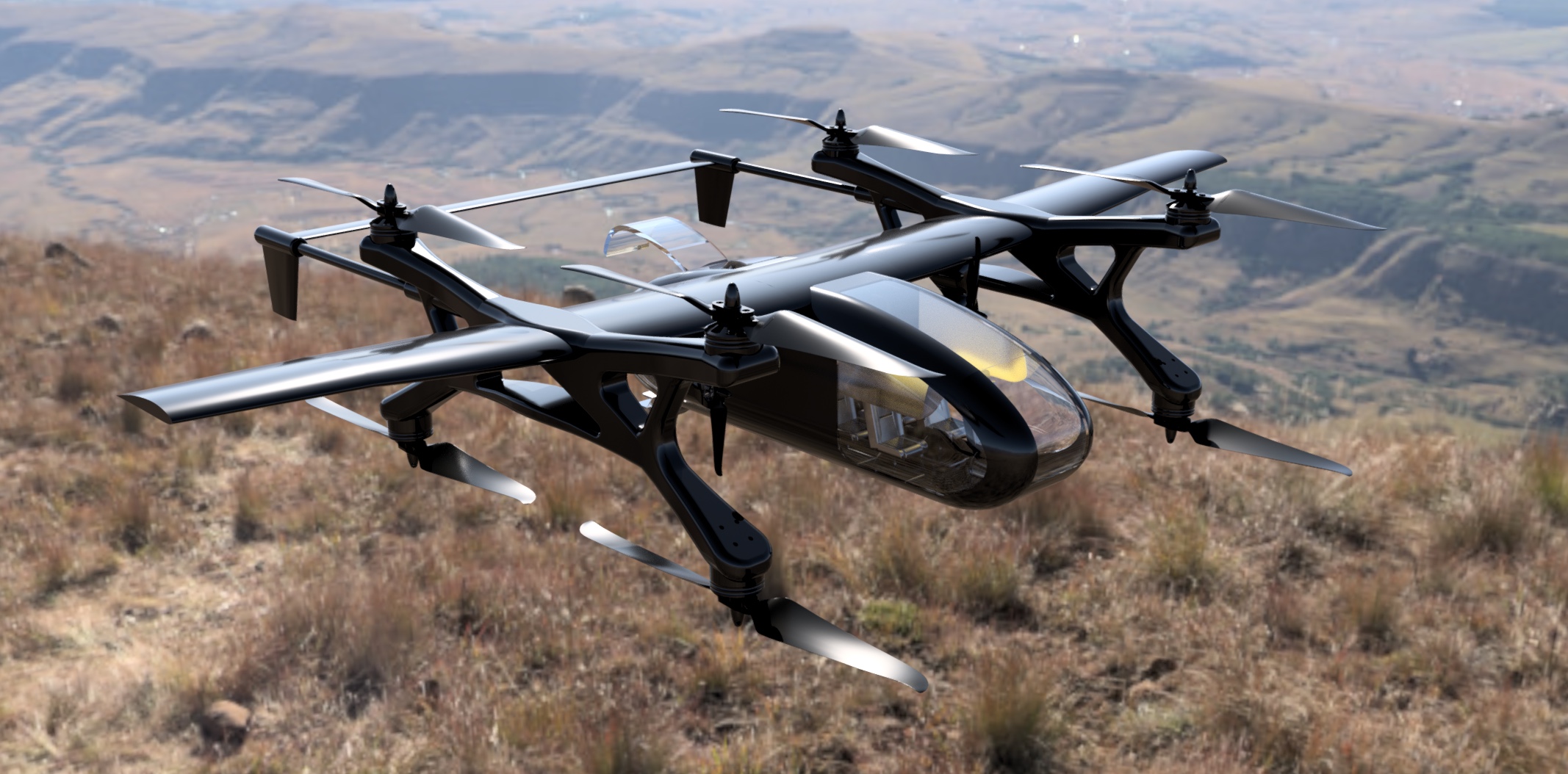
SkyBus-CW3Concept render
12
Passengers
250
km/h cruise
36–68
km per route
1/5
Energy vs multirotor
VTOL
No runway needed
1/9
Of a helicopter fare
01 / The gap
Too far for the metro, too close for high-speed rail
Closer than this and the metro is excellent. Further and the high-speed line is excellent. Stuck in between — not near enough to ride the metro, not far enough to justify the trek to a rail terminus — nothing works. A sea, a border, or a bridge that always jams sits in the middle, and door to door it costs you two to three hours.
1.208M
Shenzhen ↔ Dongguan cross-city trips a day
Guangzhou Annual Transport Development Report
825K
Daily crossings at Shenzhen's border posts
Shenzhen Border Inspection, May 2026
89K
Vehicles a day on the Shenzhen–Zhongshan Link
Guangdong Transport, full-year 2025
64%
of cross-city commutes run edge to edge
China Urban Transport Report
That last number is the one that hurts. Edge-to-edge means neither end is downtown — and every high-speed and intercity station is, by definition, downtown. You spend half an hour getting into the city, twenty minutes on the train, and half an hour getting back out. The more your commute crosses cities, the less the intercity rail can do for you.
Futian CBD → Songshan Lake
45 km direct · 65 km by road
Drive / ride-hail82minSkyBus40minShekou → Sheung Wan, Hong Kong
34 km direct · a sea in between
Ferry / land border100minSkyBus39minHumen → HK Int'l Airport
61 km direct · a sea and a border
Land border + transfer180minSkyBus46min
The fast ones cost too much, the affordable ones are too slow
Shekou → Sheung Wan, Hong Kong
Every one of them is good at something, and every one solves half the problem. The quadrant where a trip is both fast and affordable has simply been empty.
02 / The aircraft
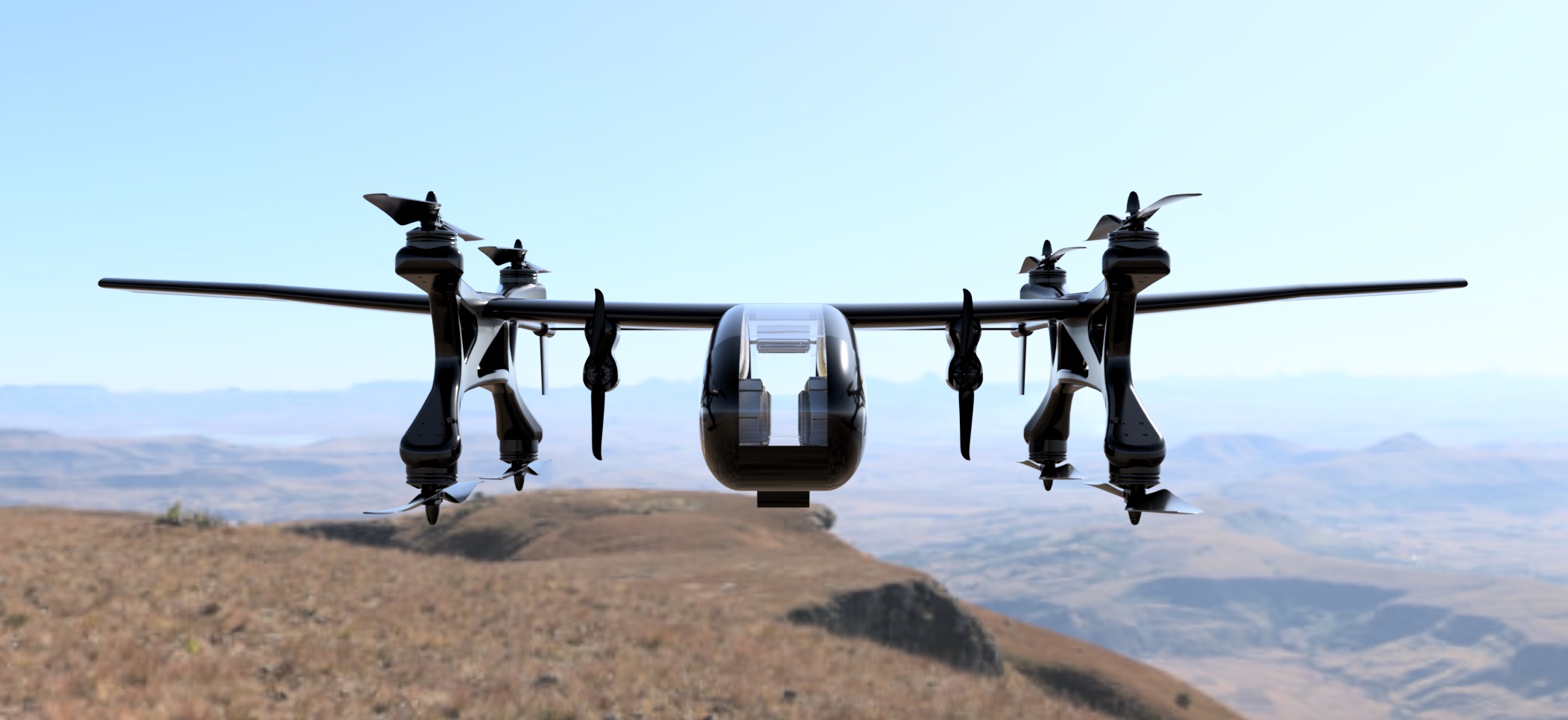
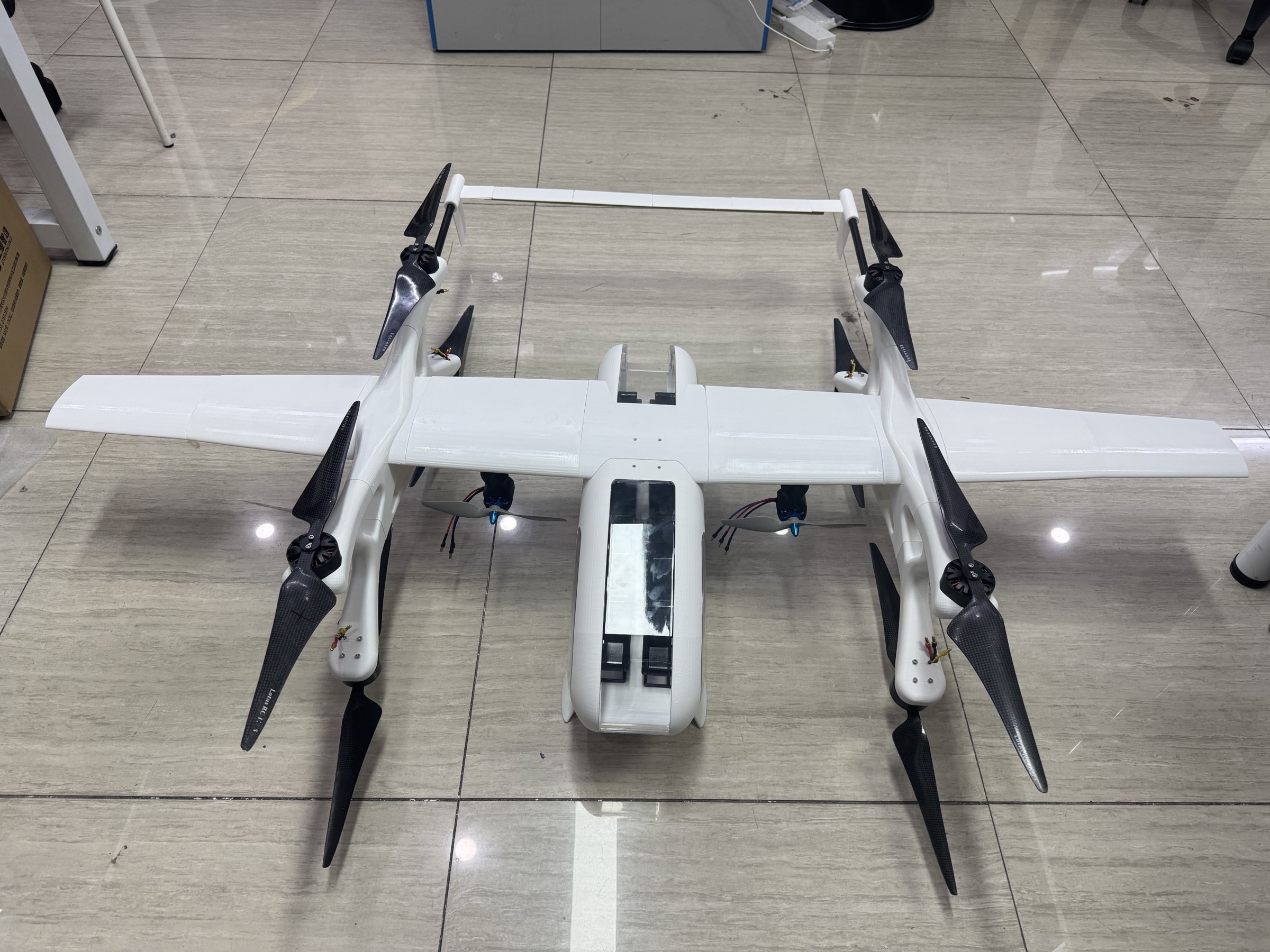
SkyBus-CW3
12-seat compound-wing eVTOL
- Seats
- 12
- Cruise speed
- 250 km/h
- Wingspan
- 20.4 m
03 / The system
Run like a bus, not a charter
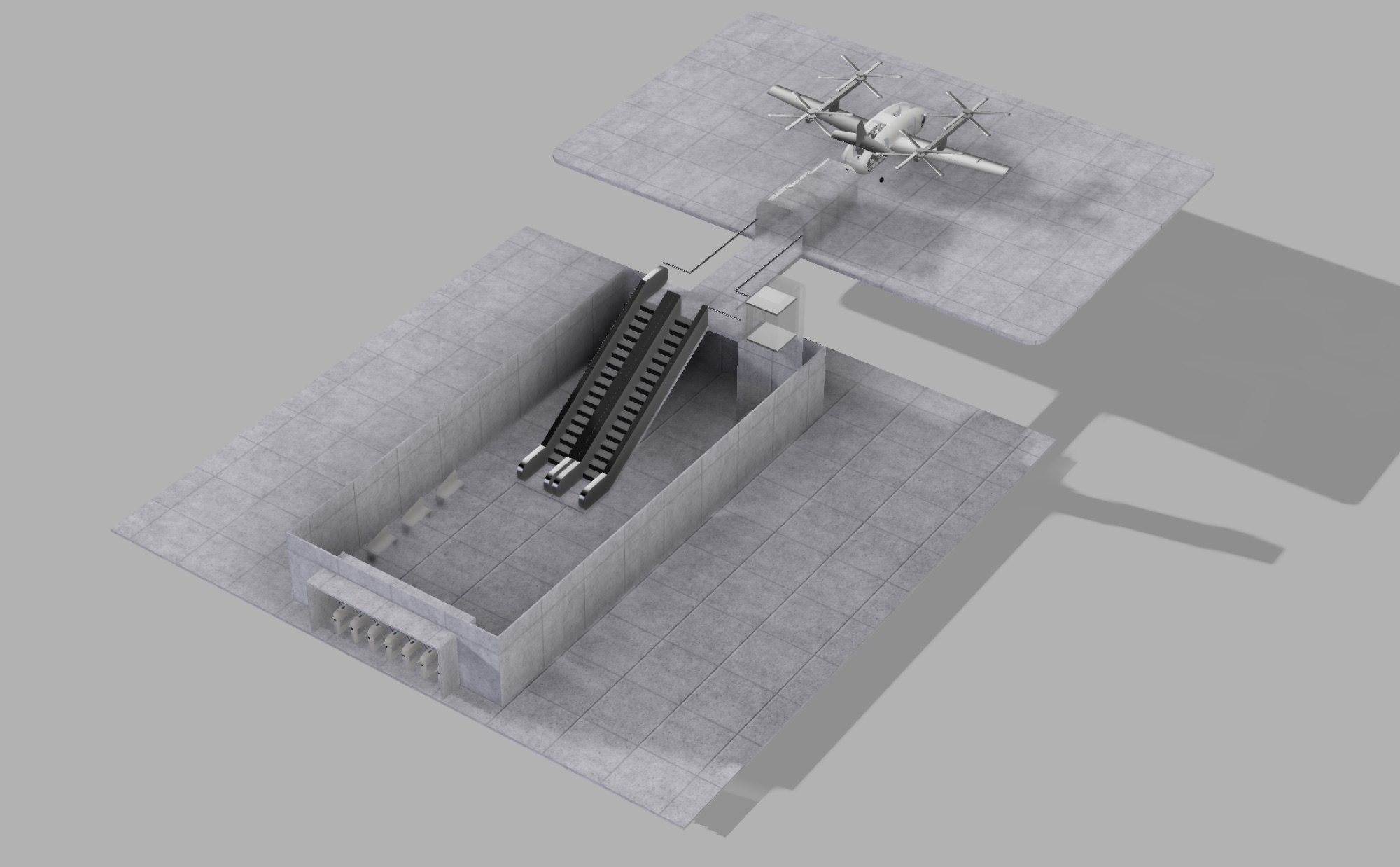
A roof pad over a concourse: lifts and escalators from the street, gates at the bottom, a boarding bridge at the top. Nobody ever walks on the pad.
- 39min
- Shekou → Sheung Wan, Hong Kong
- 10min
- Ten minutes on the ground
- 886
- departures a day
04 / The network
Nine routes, all under 20 minutes in the air
Both banks of the Pearl River estuary, twenty minutes apart.
4 Hubs6 Spokes449 km44 Fleet
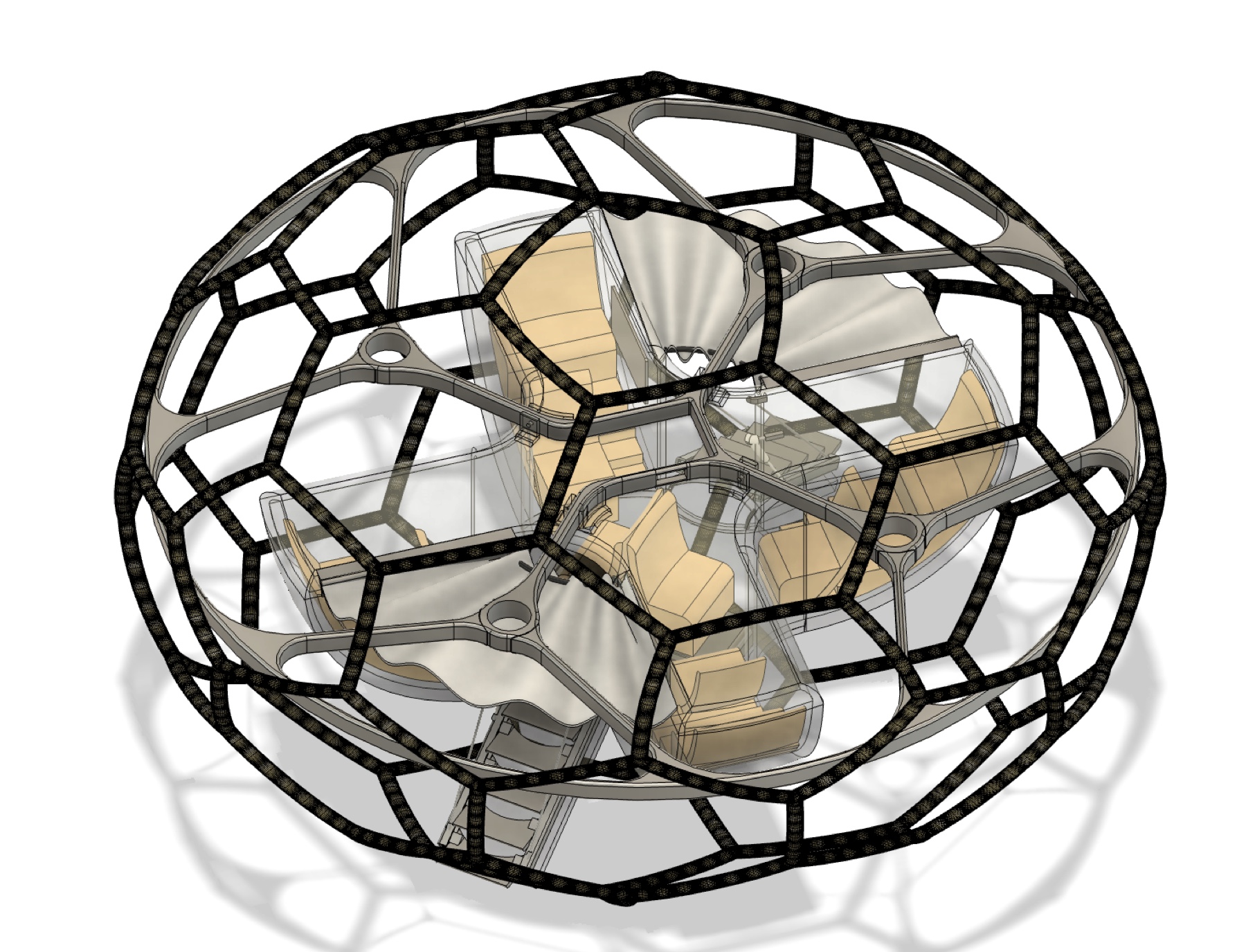
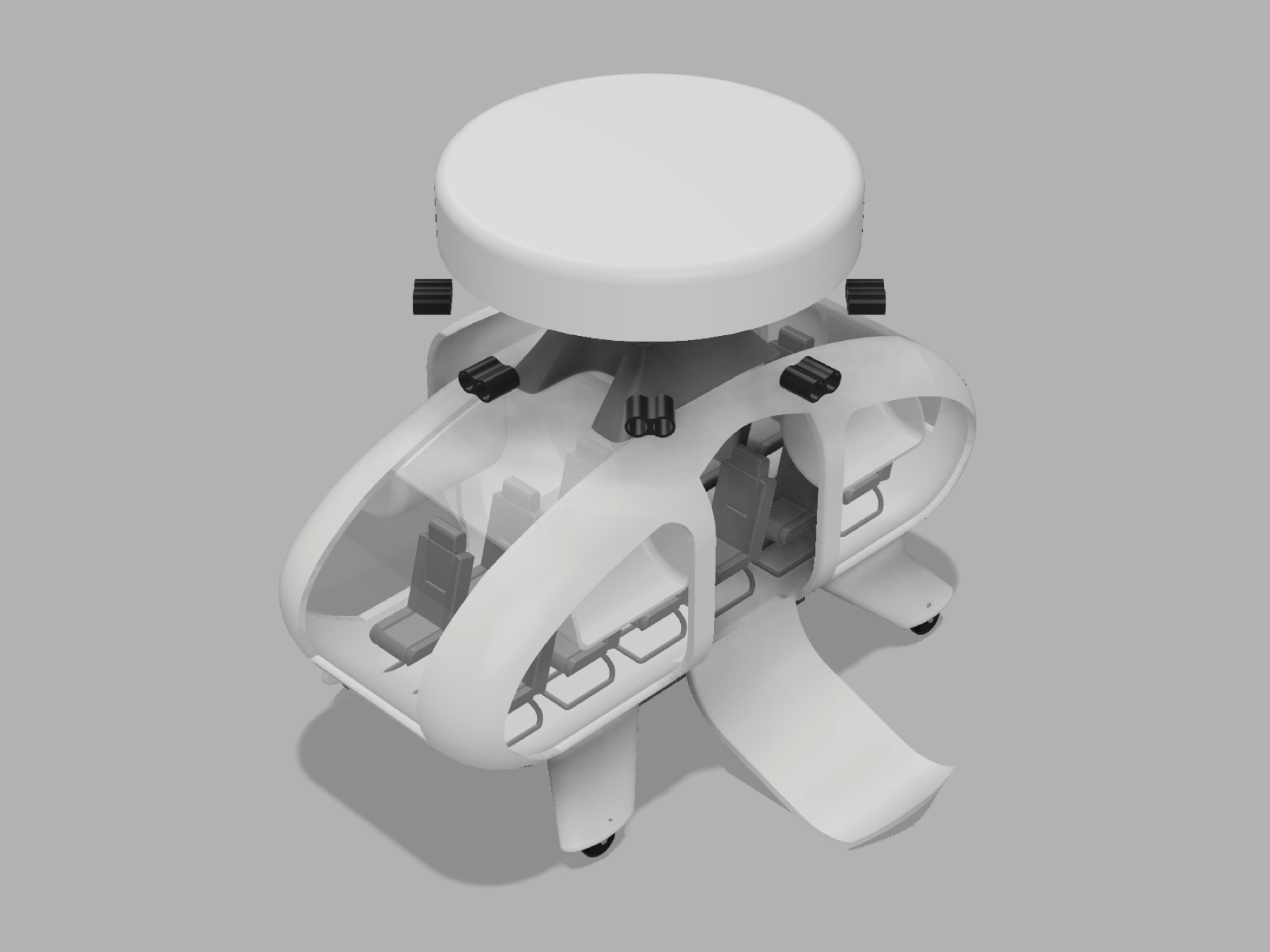
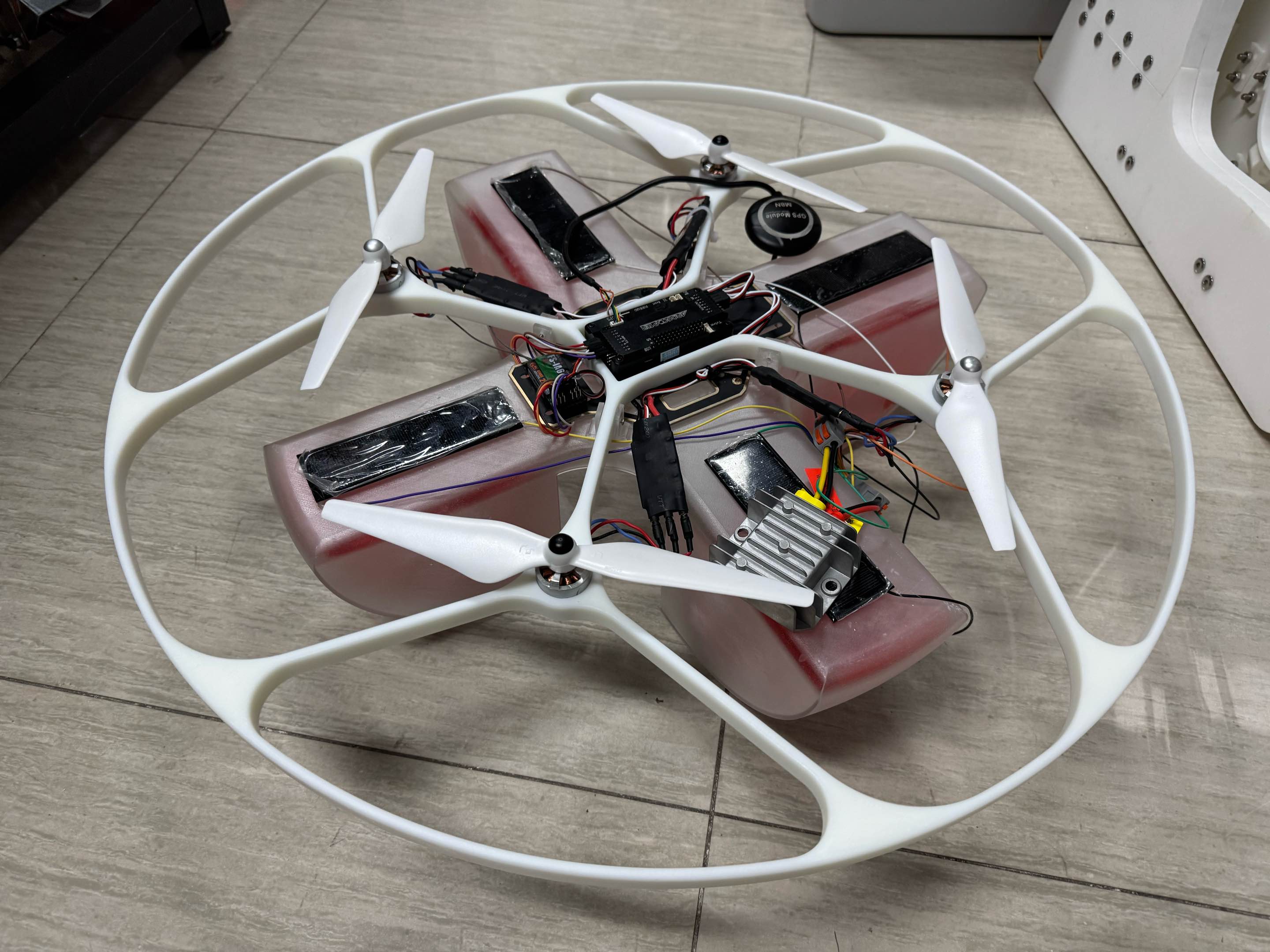
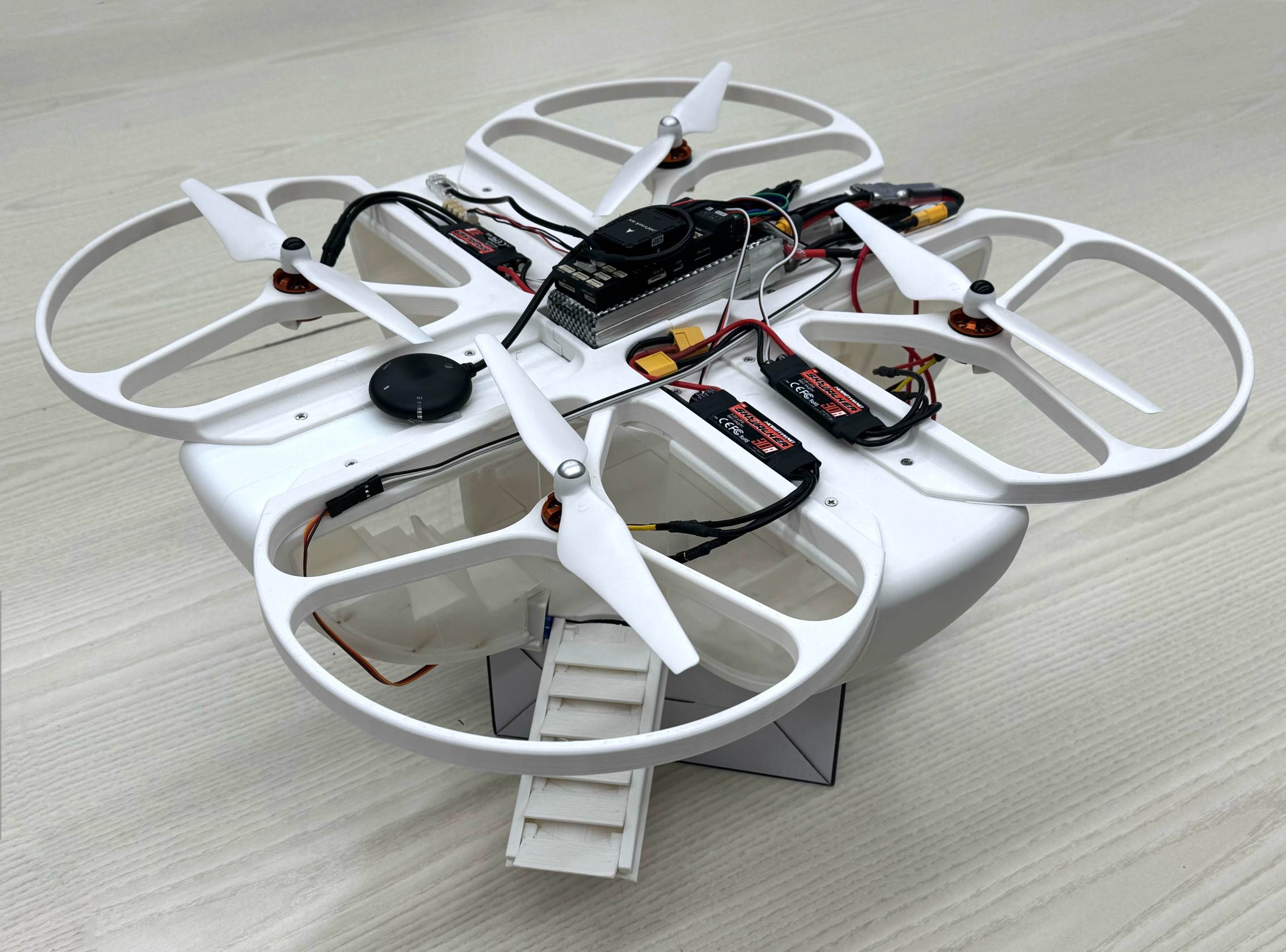
05 / Iterations
Five iterations
Every step was modelled, simulated or flown.
06 / The team
The team
Three high-school students, one year, a whole system from airframe to border post.

Beverly Wang
Veritas Collegiate Academy


Population
87M
More people than Germany
GDP
$2T
One ninth of China's economy
Demand
2M+
Trips a day on our corridors
Capture
0.4%
Fills all 44 aircraft, every day
07 / Feasibility
Not science fiction — it is already happening in pieces
Every single thing SkyBus needs to do, somebody has already done one piece of. What we are building is the join.
Cross-sea, cross-city — already flown
In 2024 a 5-seat eVTOL flew from Shekou Cruise Port in Shenzhen to Jiuzhou Port in Zhuhai, turning a 2.5–3 hour drive into 20 minutes at 200 km/h. The operator described it plainly as a point-to-point shuttle.
Border post and pad in one building — already built
In November 2025 Shenzhen International Cruise Home Port became China's first composite border post handling international cruises, HK/Macau ferries, water tourism and cross-border helicopter service at once — with 20-minute low-altitude links to Hong Kong and Macau.
Cross-border low-altitude routes — already running
The Shenzhen Bao'an – Hong Kong International helicopter route does the hop in 15 minutes. Airspace coordination, border inspection and the two-jurisdiction handshake have all been through a live rehearsal.
It is written into policy
Dongguan's low-altitude economy plan calls explicitly for intercity low-altitude routes across the Pearl River estuary, encourages eVTOL for air commuting, shuttles and cross-border flights, and targets more than 150 new landing sites in 2026.
So what is missing? Nobody has turned it into public transport that runs to a timetable every day. There are routes but they are charters; there are aircraft but no network; there are border posts but no departures.
What jams the Bay Area is not the road. It is the sea, the border, and that one bridge. You cannot get around them — so go over them.